
UNRESTRICTED MASTER PLUMBERS
Basement Taking on Water but No Rain
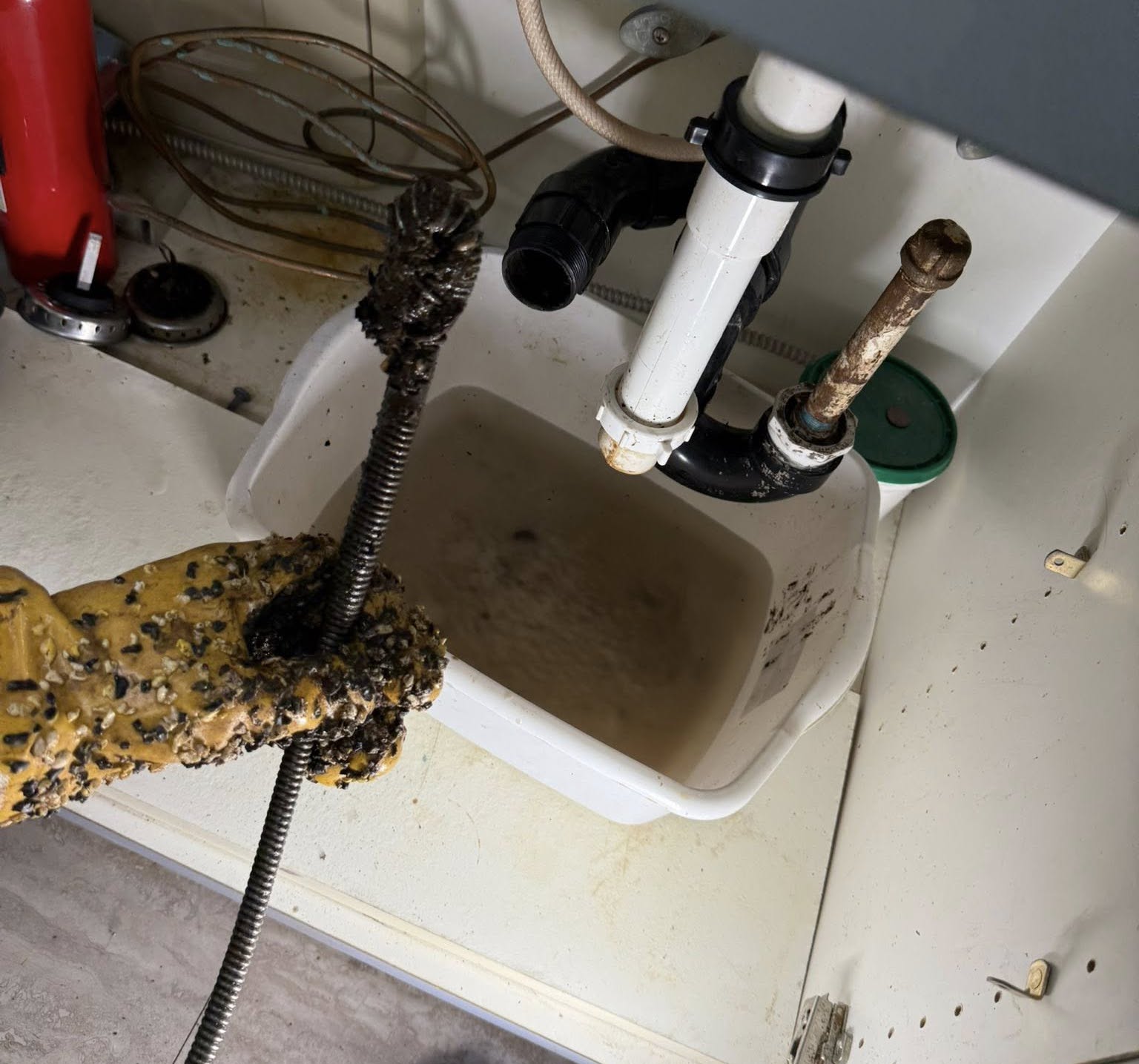
Basement Taking on Water but No Rain: Could It Be Plumbing?
If your basement is taking on water but it hasn’t rained, you’re right to be suspicious. Water can show up from plumbing leaks, drain/sewer backups, water heater failures, or a sump pump issue—and the longer you wait, the higher the risk of mold, damaged flooring/drywall, and expensive cleanup.
Quick answer: Yes—basement water with no rain is often plumbing-related. If the water is dirty/gray and smells, treat it like a drain/sewer backup. If it’s clear and constant, suspect a supply line, water heater, or appliance leak. Either way, Specialty Plumbing and Drain LLC can diagnose it fast and help you stop the source.
What to do right now (before you start tearing things up)
- Stop using water if you suspect a drain/sewer issue
Don’t run laundry, showers, or dishwashers until you know where the water is coming from. - Check if the water is clean or dirty
- Clear water often points to a supply leak, water heater, or appliance.
- Gray/brown water or a sewage smell often points to a drain/sewer backup.
- Shut off the water if you see active flow
If water is actively running or you hear it, shut off the home’s main water valve. - Turn off power to wet areas if needed
If water is near outlets, cords, or a panel, don’t step into it—safety first. - Call Specialty Plumbing and Drain LLC
A fast diagnosis is the difference between a small repair and a major remediation. Call Specialty Plumbing and Drain, LLC today!
How to tell if basement water is plumbing (not weather)
Here are the most common plumbing-related patterns Specialty Plumbing and Drain LLC sees.
1) Water appears after you run fixtures
If the basement gets wet after:
- Showering
- Flushing toilets
- Running the dishwasher
- Doing laundry
…that’s a strong sign of a drain line, main sewer line, or ejector pump problem.
2) Water is coming from a floor drain
Basement floor drains are a common exit point when the main line can’t handle flow. If water is coming up through a floor drain, it’s often:
- A main line clog
- A sewer line belly/sag
- A collapsed or damaged sewer line
3) Water is near the water heater
A failing water heater can dump a lot of water quickly. Check for:
- Water around the base of the tank
- A dripping temperature/pressure relief valve
- Rust streaks or corrosion
If you have a tank water heater in the basement, Specialty Plumbing and Drain LLC treats this as a high-priority check.
4) Water is near a sump pit or sump pump
Even without rain, a sump pump can cause issues if:
- The check valve failed and water is cycling back
- The discharge line is clogged or frozen (seasonal)
- The pump is short-cycling or not keeping up
5) Water is localized near a wall or ceiling penetration
Clear water at one spot can be:
- A leaking supply line
- A pinhole leak in copper
- A leaking hose bib line
- A leaking pipe joint behind drywall
The biggest plumbing causes (and what they look like)
Main sewer line backup
What you’ll notice:
- Water coming up from a floor drain
- Toilet gurgling or slow drains upstairs
- Gray/brown water and odor
Why it happens:
- Heavy buildup/grease
- Roots
- A belly/sag
- A collapse or broken joint
What Specialty Plumbing and Drain LLC does:
- Main line clearing (when appropriate)
- Sewer camera inspection to find the real cause
Broken or leaking drain line
What you’ll notice:
- Water after using a specific fixture (laundry, shower)
- Wetness under/near a drain pipe run
What Specialty Plumbing and Drain LLC does:
- Targeted diagnosis
- Repair/replace the failed section
Water heater leak or failure
What you’ll notice:
- Clear water pooling near the tank
- Rust, corrosion, or dripping from fittings
What Specialty Plumbing and Drain LLC does:
- Shut down and isolate the leak
- Repair fittings/valves or recommend replacement if the tank is failing
Supply line leak (pressurized water)
What you’ll notice:
- Clear water that keeps coming even when you’re not using fixtures
- Higher water bill or meter movement
Quick check:
- Turn off all fixtures and watch the water meter—if it’s still moving, you may have a supply leak.
Sump pump or ejector pump issue
What you’ll notice:
- Pump running constantly
- Alarm going off
- Water in/around the pit
What Specialty Plumbing and Drain LLC does:
- Diagnose pump, check valve, discharge, and controls
- Repair/replace as needed
Clean water vs dirty water: why it matters
- Not all basement water is equal.
- Clean water (supply leak, water heater) is still damaging—but typically less hazardous.
- Dirty water (drain/sewer) can contain bacteria and should be treated as a health risk.
If you suspect sewage, avoid contact and call Specialty Plumbing and Drain LLC right away.
What not to do
- Don’t keep running water to “test” drains
- Don’t assume it’s groundwater just because it’s in the basement
- Don’t pour chemicals into floor drains
- Don’t ignore recurring wetness—small leaks become mold problems
Get the source identified fast (and stop the damage)
If your basement is taking on water and there’s no rain, don’t guess. Specialty Plumbing and Drain LLC can identify whether it’s a sewer backup, drain leak, water heater failure, supply line leak, or sump/ejector issue—and help you stop it quickly.
Call Specialty Plumbing and Drain LLC today to schedule an inspection and get your basement dry again—fast.
Contact Us
Commercial Plumbing Services
– Clogged Toilet Cleaning
– Commercial Plumbing
– Drain Cleaning
– Emergency Plumbing Repairs
– Expansion Tanks
– Gas Line Installation
– House Spigots
– Hydro Jetting
– Industrial Plumbing
– Main Water Line Repairs
– Plumbing Video Camera Inspection
– Pressure Reducing Valves
– Residential Plumbing
– Sewage Ejector Pump
– Sewer & Drain Services
– Sewer Line Cleaning
– Slab Leak Repair
– Sump Pump Repairs & Installs
– Trenchless Plumbing Repair
– Trenchless Water Line Repair
– Tunneling for Plumbing
– Water & Sewer Line Repairs
– Water Heater Replacement & Installs
– Water Leak Detection
5 Star Reviews
Came out quickly on a Sunday 30 min after I called upon recommendation from a [...]

Sean did a great job fixing our supply line. He and his team were very professional and had my leaking pipe fixed on the same day I called. As a business owner myself, it’s nice to see customer service provided the right way.
Thanks Sean!
– Aaron T.
Sean was amazing! I had an emergency situation and they rushed out on a Saturday. Sean quickly found the issue. He provided excellent advice as a master plumber. He directed me to my HoA since they may be responsible. He ended up being correct. He was extremely helpful in an incredibly stressful situation.
– Chad D.
I had them come out for a second opinion, and, I’m glad I did, as the first company I got out were trying to rip me off and sell me an unnecessary hydro jetting service at a ridiculous price. Sean was very transparent about everything and seemed like he genuinely cared. I’ll definitely be calling them again in the future for any plumbing issues I have!
– Zac
I had them come out for a second opinion, and, I’m glad I did, as the first company I got out were trying to rip me off and sell me an unnecessary hydro jetting service at a ridiculous price. Sean was very transparent about everything and seemed like he genuinely cared. I’ll definitely be calling them again in the future for any plumbing issues I have!
– Zac
Wow, great customer service still exits, like the good old days. From the first phone call, Jamie took the time to explain some drain line basics; which services help, which services actually can make the problem worse, and we had two problems to cover. She set us on the right path, then Sean came out to inspect both problems: faulty gutter drains, and a leaky water heater. He went above and beyond in assessing and explaining solutions. He was very informative, patient, and above all, very kind. My wife was sold! He adroitly took us through a tricky water heater and gas line repair…and now it looks and works great. Thanks!! We highly recommend them across all their services, they can actually handle a lot.
– Gus S.
Great Company. I had Sean replace In 2 different houses the old cast iron pipes in the garage. He is a stellar guy, very professional and does an excellent job at a reasonable price. Highly recommended! Very happy, thank you, Sean.
– Patty F.
Sean did a great job replacing my main water line to the house. When he had to remove a large shrub to repair the water line underneath it, he even replanted it on the other side of the driveway. Excellent service and would highly recommend.
– Doug R.
Sean did a great job fixing our supply line. He and his team were very professional and had my leaking pipe fixed on the same day I called. As a business owner myself, it’s nice to see customer service provided the right way. Thanks Sean!
– Aaron T.
He did a great job. Were very happy with water heater replacement. It was very affordable and professionally well done. Couldnt recommend sean more. Sean got our house within code again, thank god!
– Barrett L.
Absolute 10/10 service! The owner Sean himself came out. He was extremely knowledgeable, did a fantastic job explaining to me what was being done and was extremely professional and respectful. They used premium materials with a 25 year lifespan. Other companies will use cheaper materials and then you have to call them back out next year. Specialty Plumbing does it right the first time! Fixed my issue within 2 hours and left virtually no visible marks in the lawn. 10/10 would do business with in the future.
– Zachary H.
Absolute 10/10 service! The owner Sean himself came out. He was extremely knowledgeable, did a fantastic job explaining to me what was being done and was extremely professional and respectful. They used premium materials with a 25 year lifespan. Other companies will use cheaper materials and then you have to call them back out next year. Specialty Plumbing does it right the first time! Fixed my issue within 2 hours and left virtually no visible marks in the lawn. 10/10 would do business with in the future.
– Jan C.
Talking about CUSTOMER SATISFACTION. Sean is your guy. Here’s my experience. During my vacation trip in PR this holiday season, got informed by my neighbor of a burst pipe at home caused by the freeze (perhaps 4 days of running water we estimated). I didn’t know who to call, but my neighbor recommended me Sean as the go to company because of previous experiences. Glad he did. In my case, the water line runs across a bridge (weakest point) and precisely the location of the burst. After inspection they found additional bursts, but lucky for me none inside the house. Overall job they had to replace an old galvanized steel pipe with a more suitable cross-linked polyethylene (PEX) material, and trenching from the water meter up to the bridge. Not an easy job, but they had all the machinery to make it happen. They fixed the situation the same day. When I came back home from vacation I was very pleased with the results. You cannot even tell there was worked done in my place. Most importantly, the outer pipe across the bridge was completely insulated and inside a SCH 40 steel pipe sleeve. Definitely, a much better installation of what I had before with no chances of a frozen pipe to ever happen again. And this is just the install. Then he helped me manage the insurance claim by providing the necessary documentation to support it (no questions asked by the insurance adjuster). What impresses me about Sean is taking pride of his work. Very knowledgeable, friendly and quality driven, with ultimate focus in customer satisfaction. I fully recommend him. Simply the BEST!!!
– Rafael D.
Reliable, quick to respond, reasonably priced, good quality work. Small business that treats their customers right. I would 100% recommend.
– Drew L.
Our toilet backed up on a Saturday night. We called on Sunday morning and Sean was there by ten. We had a blockage in the main line as well as a large root ball in the line in the flower bed. He has all of the latest equipment, and is certified in underground plumbing. He explained our options and got to work. He found the first blockage, dug down 5 feet, replaced pipe, then wanted to make sure the line was clear to the street, which was when he discovered the second blockage. Another dig and pipe replacement. He worked until after nine that day. He refilled holes, cleaned up, spread straw and made sure things were neat. His price was amazing for the time and amount of work that he did. We cannot say enough good things about him. He is personable, fair and thorough. Should this happen to you, give him a call first. He also gave us the name of someone to mitigate the inside mess with the insurance company. So nice to find a company that takes pride in their work and does the right thing.
– David D.
They came out the day I called and did the work that night. And they beat the price of the other plumbers who were going to take a week to get to it. My water bills have gone back down. Very happy with this company!!
– Ro M.
We discovered a leak in our kitchen that had gone into our basement. We found Specialty Drain/Sean through recommendations in our community’s FB page. He came out & brought someone who does water remediation work since we had a leak. He was very prompt, very professional & thorough. They quickly determined the problem & were super thorough with explaining options for fixing the problem. I would highly recommend Sean.
– Lisa M.
Sean and Jami are awesome. Sean came out and did a quote to assist me with getting the best outcome from my insurance company (ended up being an insurance claim). He repaired a pipe connected to a flange, and then came back to install a new toilet, after my flooring was done. Sean is very knowledgeable and has a commitment to precision, and kept me informed along the way. He is a Master Plumber. Would highly recommend using Specialty Plumbing if you want the job done right.
– Brent D.
Excellent service! Sean and his crew are extremely knowable and competent! They worked into the night to complete the job.
– David G.
Our Blog
Who Pays for Sewer Line Repair in GA? If you’re a tenant dealing with sewage [...]
View Video

All Services